


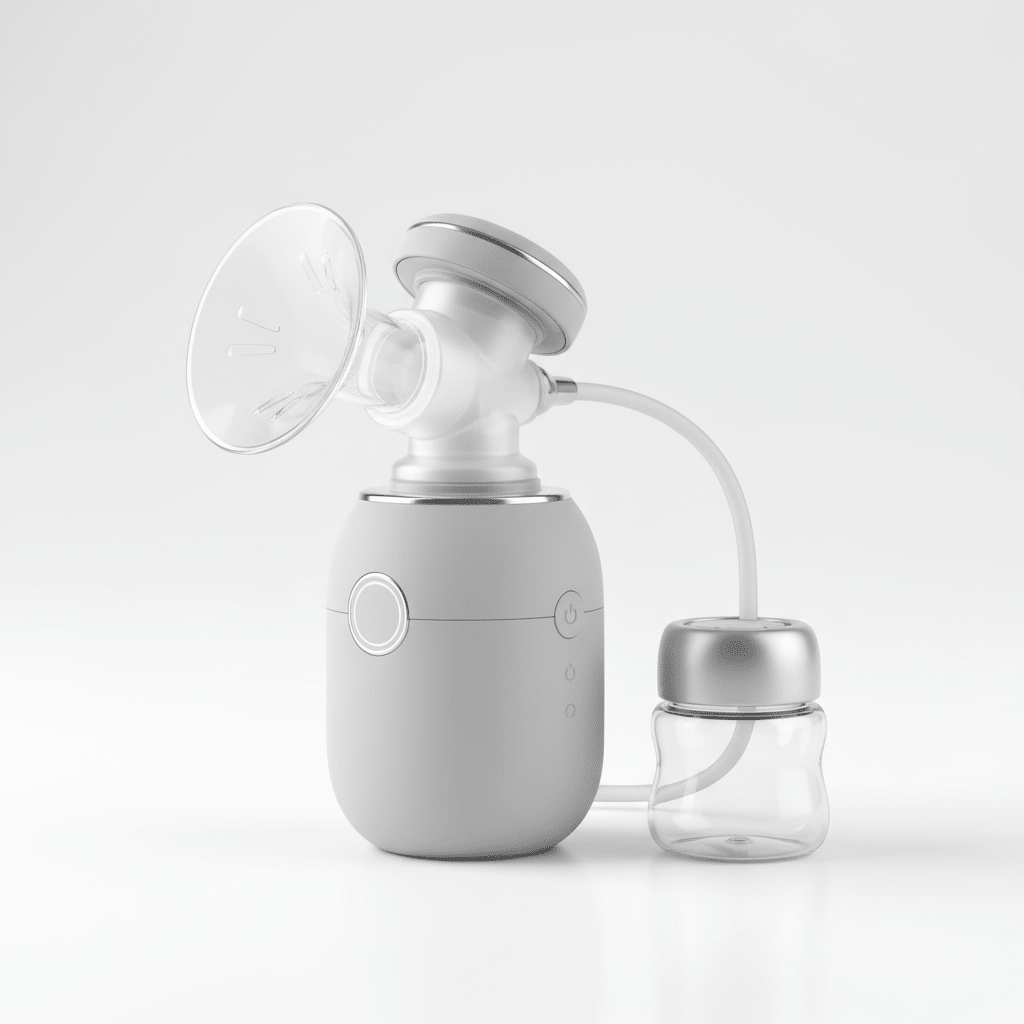
Choosing the right electric breast pump can feel overwhelming, especially when you're a new mom navigating dozens of options, confusing specs, and well-meaning advice from every direction. The pump you choose will shape your entire breastfeeding journey, from how comfortable pumping sessions feel to how easily you can get back to work, travel, or simply enjoy a cup of coffee with both hands free.
This guide breaks down exactly what to look for so you can invest in a pump that actually fits your life.
Why the Right Electric Breast Pump Matters
A good electric breast pump does more than just extract milk. It protects your supply, supports your comfort, and gives you flexibility during one of the most demanding seasons of motherhood. The wrong pump, on the other hand, can cause sore nipples, reduced output, and a lot of frustration.
Before you buy, it helps to understand what makes a pump genuinely mom-friendly versus what's just marketing.
Key Features to Look For
1. Dual Pumping Modes
The best electric breast pumps offer two modes that mimic how a baby actually feeds:
Stimulation Mode triggers your let-down reflex with quick, light suction - exactly how a baby starts nursing.
Expression Mode moves into slower, deeper suction to efficiently extract milk once it's flowing.
Pumps without this dual-mode design often leave moms with incomplete sessions and lower output.
2. Adjustable Suction Levels
Every mom's comfort threshold is different. Look for a pump with at least 9 adjustable suction levels so you can fine-tune intensity as your body adjusts. More suction doesn't equal more milk, comfort does.
3. Hands-Free, Wearable Design
Wearable pumps that sit discreetly inside your nursing bra have transformed pumping for working and multitasking moms. You can answer emails, care for your baby, or prep dinner while pumping - no cords, no bottles dangling, no sitting still for 20 minutes.
4. Correct Flange Size
This is the single most overlooked factor in pump comfort. A flange that's too big or too small can cause pain, reduce output, and even damage tissue. Quality pumps like the Haus and
Kinder Electric Breast Pump come with multiple flange sizes (17mm, 19mm, 21mm, and 24mm) and a size guide so you can find your perfect fit.
5. Quiet Operation
If you plan to pump during meetings, at night, or in shared spaces, noise level matters more than you'd think. Ultra-quiet pumps let you work, travel, and feed a sleeping baby nearby without disruption.
6. Battery Life and Portability
For pumping on the go, check two specs: charge time and sessions per charge. A rechargeable pump that fully charges in about 2 hours and supports 7–8 sessions per charge is ideal for busy moms who don't want to be tethered to a wall socket.
7. Milk Storage Capacity
Look for a collection capacity of around 180ml per side. That's enough to handle a complete session without needing to stop mid-pump to empty.
8. BPA-Free and Hygienic
Any part that touches your milk should be BPA-free and easy to disassemble for cleaning. Transparent collection cups help you monitor output in real time.
Manual vs Electric Breast Pump: Which Is Better?
Manual pumps are affordable and quiet, but they require your hand to do all the work which gets exhausting fast. Electric pumps automate the process, offer adjustable settings, and save you serious time and effort. For most moms pumping more than occasionally, an electric pump is the clear winner.
Who Should Buy an Electric Breast Pump?
An electric breast pump is a great fit for:
• New mothers building a steady milk supply
• Working moms who need to pump during the day
• Mothers who travel frequently
• Anyone who wants to share feeding duties with a partner
• Moms who find manual pumping physically tiring
Common Mistakes to Avoid
Choosing based on price alone. The cheapest pump often ends up costing more in discomfort, wasted time, and replacement parts.
Ignoring flange sizing. Most pumps come with a single size and it's rarely the right one. Always choose a pump that includes multiple flange options.
Skipping the research on noise levels. Loud pumps make nighttime and workplace pumping far harder than it needs to be.
Overlooking battery life. A pump that dies after two sessions is a pump that stays at home.
Final Thoughts
The right electric breast pump should feel like a quiet ally in your motherhood journey, comfortable, portable, and genuinely easy to use. Prioritize pumps with dual modes, adjustable suction, multiple flange sizes, and true hands-free wearability.
If you're looking for a pump that ticks every box, hands-free wear, 9 suction levels, ultra-quiet operation, multiple flange sizes, and a full 180ml capacity, the Haus and Kinder Baby Electric Breast Pump is designed to support you through every stage of your breastfeeding journey.
Frequently Asked Questions
How many suction levels does a good breast pump need?
Look for at least 9 adjustable levels so you can match suction to your comfort and flow. Do I really need multiple flange sizes?
Yes. Flange size directly affects comfort and output. A pump that only comes with one size forces you to buy extras separately.
How long does a rechargeable breast pump last per charge?
Quality rechargeable pumps support 7–8 pumping sessions on a single 2-hour charge. Is a hands-free breast pump worth it?
For most modern moms, absolutely. Hands-free pumps let you multitask, which makes it easier to pump consistently and maintain supply.

0 comments